The 4pm Peace Treaty: Eight After-School Snacks Ranked by Haggle Level

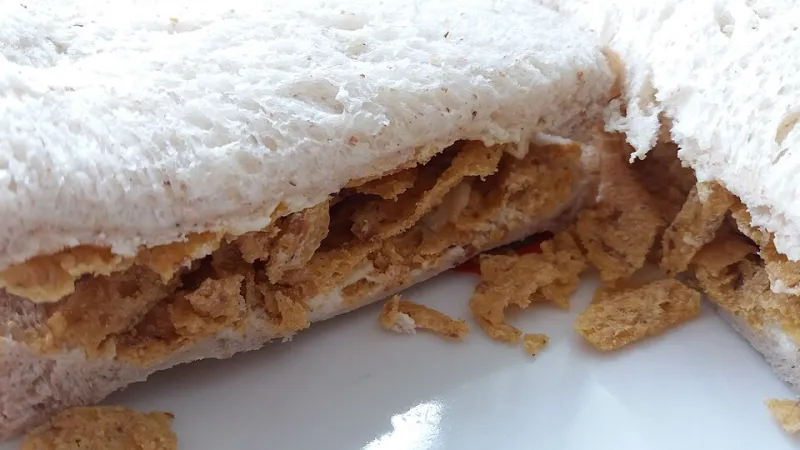
Photo: Jonathan Billinger , CC BY-SA 2.0, via Wikimedia Commons
The school bell rings at 3.15. By 3.47, a small person has completed a full audit of the cupboard. By 4pm, negotiations are formally underway. This is not really about hunger. It is about leverage, timing and whether the phrase ‘something healthy’ counts as a binding contract.
At Maoam, we have watched this ritual unfold across kitchen tables and hallway floors. So here is our affectionate field guide to the after-school snack raid: eight classics ranked by negotiation difficulty, with parent verdicts, nostalgia notes and a charter that is only slightly enforceable.
How we scored the haggle
Each snack gets a haggle level out of 10. A 1 means the child accepts the first answer and wanders off. A 10 means a full kitchen cabinet inquiry, a appeal to grandparents and at least one dramatic sigh. We factored in availability, visible deliciousness, sibling rivalry and the crucial question of whether it can be eaten while doing homework.
This is not nutritional advice. It is a peacekeeping manual.
8. Plain toast — haggle level 2/10
Toast is the default setting of the after-school cupboard. It is warm, familiar and almost impossible to argue with, although some children will attempt to reopen negotiations on the butter-to-Marmite ratio.
Parent verdict: Reliable, cheap and slightly boring. The ideal snack for a child who has forgotten they were hungry until the toaster clicked.
Nostalgia note: Toast after school tastes of wet coats, kitchen radios and the feeling that the day is finally yours again.
7. The fruit bowl — haggle level 3/10
An apple is a hard sell. A banana is a treaty. A satsuma is acceptable if it is already peeled, which is an important legal distinction.
Parent verdict: Good intentions in a bowl. The trick is to place fruit where it can be seen and pretend it is a limited edition.
Nostalgia note: There is always one sad orange at the bottom of the fruit bowl, and it has been there since the last school holiday.
6. Yoghurt — haggle level 4/10
Yoghurt sits in the middle ground: not quite a treat, not quite a punishment. Cartoon packaging helps. A spoon that has been located without a hunt helps more.
Parent verdict: Often accepted, rarely celebrated. The fromage frais end of the market does better with younger children; the older ones ask if there is anything else.
Nostalgia note: The little foil lid you peel back and lick. The tiny pot that never quite feels like enough.
5. Cereal bars — haggle level 5/10
Cereal bars are the diplomats of the cupboard. They are wrapped, shelf-stable and suspiciously healthy, which makes them easy for parents to offer and slightly less easy for children to refuse.
Parent verdict: A useful bridge between ‘we have no snacks’ and ‘fine, have a biscuit’. The chocolate-dipped ones are obviously more popular.
Nostalgia note: The cereal bar that disintegrates in the school bag and leaves a trail of oats across the hallway.
4. Cheese strings — haggle level 6/10
Cheese strings are not really about cheese. They are about the peeling ritual. A child who can peel a cheese string into one long, perfect ribbon has achieved something. A child who cannot will still eat it.
Parent verdict: A reliable fridge snack, though the plastic packaging multiplies in the bin. Good for keeping hands busy during homework.
Nostalgia note: The satisfying snap of the string, followed by the solemn duty of eating the bits that broke off.
3. Crisps — haggle level 7/10
Crisps are the sound of the after-school cupboard. The packet rustle is audible from another room, which means negotiations often begin before anyone has actually seen a crisp.
Parent verdict: The crunch tax is real. One packet is never quite enough, and the phrase ‘we have crisps at home’ has lost much of its power.
Nostalgia note: Salt and vinegar crisps eaten from a shared bowl, with everyone claiming they only had a few.
2. Biscuits — haggle level 8/10
Biscuits are where the negotiation gets serious. A plain digestive is a reasonable offer. A chocolate digestive is a bargaining chip. A biscuit tin with a selection is a full constitutional crisis.
Parent verdict: The one-biscuit rule is announced with confidence and abandoned within four minutes. The secret parent biscuit is a vital institution.
Nostalgia note: The rattle of the tin, the argument over the last custard cream and the crumbs that somehow end up in the sofa.
1. Leftover birthday cake — haggle level 10/10
This is the apex of the after-school cupboard. Leftover birthday cake is not just food; it is evidence of a recent celebration and a limited-edition event. Even a slightly dry slice with blue icing can start a family meeting.
Parent verdict: The cake must be protected. Portion size is negotiated in millimetres. The child who finds it first gains a temporary political advantage.
Nostalgia note: The slice with the most icing, the candle hole in the middle and the quiet satisfaction of eating cake on a Tuesday for no reason at all.
The 4pm cupboard charter
After extensive research, we propose a tongue-in-cheek charter for fair and reasonable after-school snack negotiations.
- The cupboard opens once. It does not reopen every seven minutes for a fresh inspection.
- Fruit is not a punishment. It is a side quest.
- Cake requires proof of occasion, or at least a birthday within the last 72 hours.
- No child may negotiate on behalf of another child without written authority. A crayon note will do.
- Crisps are not a food group, but they are a mood.
- The parent’s secret biscuit is protected by common law.
- If you say you are not hungry, you forfeit your place in the queue.
- All disputes to be settled by rock-paper-scissors, best of three.
The charter is not legally binding, but it has survived one half-term. In this house, that counts as a victory.