Load-Bearing Frosting: Six Supermarket Gingerbread Kits Face a 2026 Kitchen Structural Audit
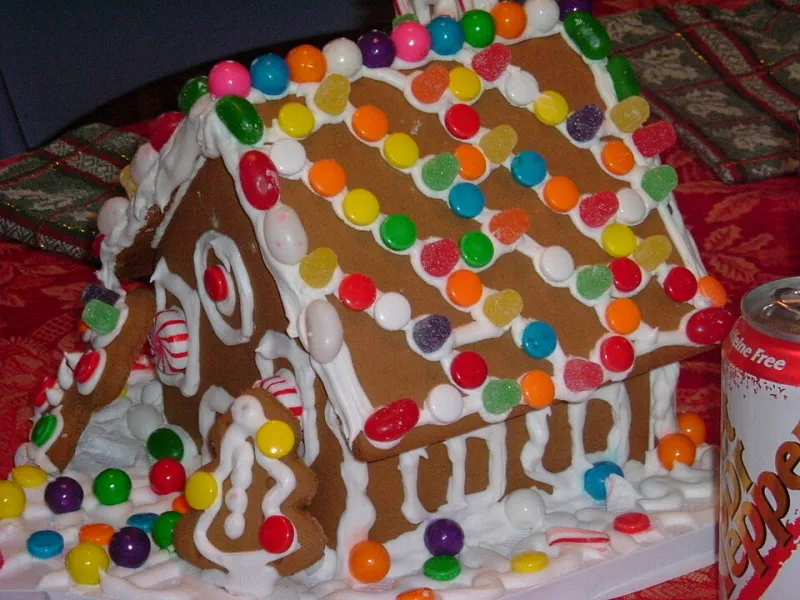
Photo: Aine from Madison, WI, USA, CC BY-SA 2.0, via Wikimedia Commons
There is a moment, roughly four minutes into building a supermarket gingerbread house, when ambition gives way to civil engineering. The walls are up, the roof is on, and a small person is applying so many silver balls to the chimney that the whole structure begins to lean like a pub sign in a gale. This December, we decided to stop pretending it was decoration and treat it for what it really is: a load-bearing confectionery project with a tight deadline and questionable labour practices.
We bought six supermarket gingerbread house kits, built them under identical kitchen-table conditions, and ran a 2026 structural audit. No professional engineers were harmed. One five-year-old consultant was heavily involved, mainly in the role of unpredictable weather event.
The Method: Royal Icing, Rulers and a Borrowed Spirit Level
Each kit was assembled according to its own instructions, because ignoring them felt unfair and also because the icing sachets varied wildly in confidence. We gave every house the same 20-minute settling period, the same cheap piping bag and the same stern talk about teamwork. Then we tested three things:
- Icing tensile strength: how much wobble the joints tolerated before developing a hairline crack and a bad attitude.
- Roof sag under Smartie load: a measured line of Smarties along the ridge, with deflection checked by ruler, squint and muttered disbelief.
- Gummy bear buttress performance: fruity bears placed at the corners as decorative supports, then judged on whether they helped or simply melted into the scenery.
A final edibility score followed the inevitable collapses. It felt only fair. If a roof is going to land in the butter dish, it should taste decent on the way down.
Kit A: The Budget Own-Brand Box
This was the flat-pack furniture of gingerbread: brisk, cheerful and faintly threatening. The icing mixed to a texture best described as 'optimistic toothpaste' and set with the determination of a wet weekend. The walls went up easily enough, but the roof joints required a second batch of icing and a short pep talk.
Under Smartie load, the ridge sagged by roughly half a Smartie thickness. Not catastrophic, but enough to make the front door look surprised. The gummy bears slumped against the corners like tiny bouncers nearing the end of a shift. Structural score: 6/10. Edibility: 7/10. The gingerbread was pleasantly spicy, if a little dry, and the icing tasted mainly of sugar and victory.
Kit B: The Mid-Range Classic
Here was the dependable one: sensible pieces, a decent icing sachet and instructions that assumed you had opposable thumbs. The icing had proper tensile strength. We gave the roof a gentle nudge and it returned a look of quiet competence. Smarties sat along the ridge without drama.
The gummy bear buttresses actually seemed to help, mostly by filling the gap between 'architectural feature' and 'structural bodge'. Our five-year-old consultant added a sweetie path, two chimney stacks and a small garden made of green jelly sweets. The house held. Structural score: 8.5/10. Edibility: 8/10. The gingerbread had a good snap and the icing did not taste like plasterboard. A strong all-rounder.
Kit C: The Premium Chocolate-Dipped Kit
This kit arrived with the confidence of something that had been photographed for a catalogue. The pieces were thick, the chocolate coating was generous and the icing sachet was small but serious. Unfortunately, thick chocolate plus a warm kitchen equals a building site with a melting problem.
The roof was heavy. Very heavy. Under Smartie load, the ridge began to bow with the weary dignity of a shelf in a DIY shop. We installed emergency gummy bear buttresses, which promptly slid down the chocolate walls. Structural score: 5/10. Edibility: 9/10. It collapsed at the gable end, but the rubble tasted excellent. If you want a gingerbread house that doubles as a luxury biscuit pile, this is your kit.
Kit D: The Express No-Faff Kit
The selling point here was speed. The pieces were pre-cut, the icing was pre-mixed and the whole thing promised a house in under ten minutes. It was, technically, a house. It was also the sort of house that a surveyor would describe as 'of non-standard construction'.
The icing lacked tensile strength and preferred to remain friends with the piping bag rather than the gingerbread. The roof went on at a jaunty angle and stayed there, like a hat worn by someone who has given up. Smartie load caused a distinct sag and one wall began to lean towards the kettle. Structural score: 4/10. Edibility: 6/10. Fine in a hurry, but do not expect it to survive a family photographs session.
Kit E: The Free-From Kit
We approached this one with respect, because free-from baking has a hard job. The gingerbread was crumbly in a way that suggested it had already read the room. The icing was pale and gentle, and the pieces required careful handling.
It built surprisingly well at first. Then the roof went on and the whole structure developed a visible wobble. Under Smartie load, the ridge sagged and a corner cracked. The gummy bears did their best, but they were clearly not insured for this. Structural score: 5.5/10. Edibility: 7.5/10. The flavour was good, with a nice warmth, but the texture was more shortbread than structural timber.
Kit F: The Novelty Chalet
This was the show-off kit: shaped windows, a little fence and enough decorative sugar to make a dentist wince. The icing was plentiful and sticky, which helped the joints but made the whole build feel like trying to wallpaper a cake.
The roof was the problem. It was wide, heavy and supported mainly by hope. We loaded the ridge with Smarties and watched it sag like a hammock. A gummy bear buttress was deployed at each corner; two held, one fell into the garden and one was eaten by the consultant before it could report for duty. Structural score: 6.5/10. Edibility: 8.5/10. It survived long enough for photos, then suffered a controlled demolition just before tea.
The Final Table
| Kit | Structural score | Edibility | Overall verdict |
|---|---|---|---|
| Budget own-brand | 6/10 | 7/10 | Cheap and cheerful, with a nervous roof |
| Mid-range classic | 8.5/10 | 8/10 | The safest pair of hands |
| Premium chocolate-dipped | 5/10 | 9/10 | Beautiful, heavy, doomed |
| Express no-faff | 4/10 | 6/10 | Fast, wobbly, done |
| Free-from | 5.5/10 | 7.5/10 | Tasty, crumbly, brave |
| Novelty chalet | 6.5/10 | 8.5/10 | Photogenic until it wasn't |
The Verdict
The mid-range classic wins our 2026 structural audit, largely because it understood the brief: a gingerbread house should look charming, hold its roof and taste nice when a child pulls it apart. The premium kit produced the best rubble, while the express kit produced the fastest regret. If you are building with a five-year-old, buy extra icing, keep the Smarties light and remember that gummy bears are decoration, not miracle workers.
And if the roof does come down, call it open-plan. That is what we did.